
The Benefits of Mixed Native Woodland Planting

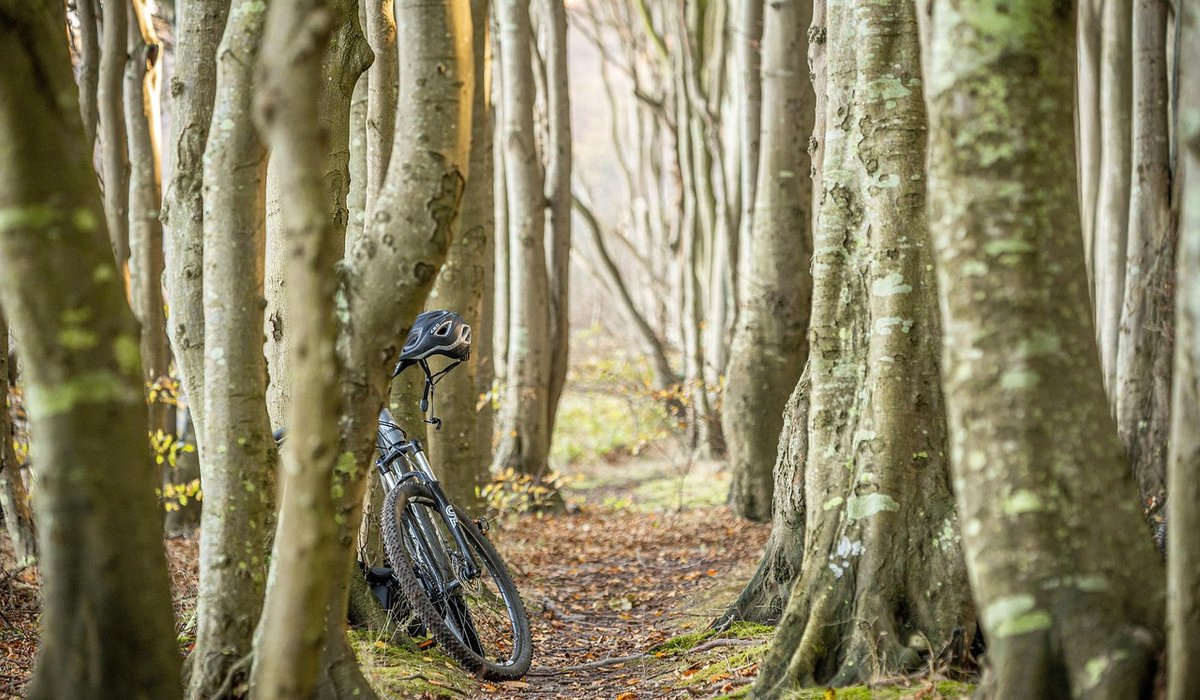
Why Diversity is the Foundation of a Healthy Wood
A block of a single species can look magnificent in its first thirty years. Then something arrives — a beetle, a rust, a change in the water table — and the whole thing goes at once. We have watched this happen twice in living memory with elm and ash, and the lesson is not subtle. A wood planted with a broad mix of native species simply has more ways to keep going.
Mixed native planting means choosing a range of trees and shrubs that would naturally grow together in your part of Britain, rather than a tidy row of one timber species. It is not a new idea. It is how our ancient woods managed themselves for thousands of years, and most of them are still standing.
The benefits come in three broad places: the soil beneath, the wildlife above, and the wood's ability to shrug off trouble. All three are practical, measurable, and worth planning for from the first spade in the ground.
Better Soil Health, Layer by Layer
Different trees mine different parts of the soil. English oak sends roots deep; silver birch and rowan feed nearer the surface; alder will tolerate wet, low-oxygen ground that would drown most other species. Put them together and you get a root network that reaches further and holds more.
The leaf litter matters just as much. Alder leaves are rich in nitrogen and break down quickly. Oak and beech litter is tougher, more acidic, and builds a slow, crumbly humus. Mixed together, this creates a soil that is better structured, holds moisture more evenly, and supports a far wider community of fungi, bacteria and invertebrates.
- Mycorrhizal fungi associate with different tree species, and a varied root community builds a more connected underground network.
- Nitrogen fixing by alder, and to a lesser extent broom and gorse, feeds neighbouring trees naturally.
- Canopy variation means leaf fall is spread across the season, so soil life has a steadier supply of food.
- Less erosion on slopes, because a mix of rooting depths holds soil through heavy rain.
If your ground is heavy clay, wet, or thin and sandy, the mix should reflect that. There is no benefit in planting oak on a bog and hoping.
More Species Means More Wildlife
An oak supports hundreds of insect species on its own. Valuable as that is, one oak is a larder with limited opening hours. A mixed wood spreads the season out.
- Early nectar: willow and hazel catkins feed bees emerging in February and March.
- Spring blossom: hawthorn, blackthorn and wild cherry support pollinators and then set fruit.
- Autumn berries: rowan, guelder rose and dogwood feed thrushes, redwings and fieldfares through winter.
- Structure: a shrubby understorey of hazel, spindle and dogwood gives nesting cover that a pure canopy never will.
Add a little standing deadwood — a few decaying stumps left in place, or a log pile in the shade — and you will attract beetles, fungi and the birds that feed on them. This costs nothing and is one of the single best things you can do for a young wood.
Resilience Against Pests and Disease
Disease spreads fastest through crowded, uniform stands. In a mixed wood, susceptible trees are spaced apart by species that the pest cannot use, which slows the advance and gives you time to react.
A diverse canopy also supports more predators — parasitic wasps, hoverflies, woodland birds and bats — which keep defoliating insects in check without any intervention from you. And when a loss does occur, as with ash dieback, you are removing a proportion of the wood rather than all of it. The remaining species expand into the gap, and the wood carries on.
Choose a mix that avoids putting all your eggs in one genus. If you plant ash, do not make it more than about a fifth of the total. Oak, birch, alder, rowan, wild cherry, field maple, small-leaved lime, hazel and hawthorn together make a resilient, recognisably British wood.
Choosing and Planting Your Mix
Match species to soil first, then aim for variety. As a working guide, plant at roughly two to three metres between trees, with shrubs at the edges and along rides where light reaches the ground.
- Wet or heavy ground: alder, willow, downy birch, pedunculate oak, guelder rose.
- Acid or sandy ground: silver birch, rowan, Scots pine, sessile oak, holly.
- Neutral to chalky ground: field maple, wild cherry, small-leaved lime, hazel, hawthorn, wayfaring tree.
Buy British-grown stock from local seed provenance where you can, and plant bare-root whips between November and March while the ground is workable but not frozen or waterlogged. Keep no single species above about a quarter of the total, and plant in small groups rather than single trees dotted about — trees establish better in clumps.
Looking After a Young Mixed Wood
The first three summers decide whether your wood thrives. Grass and weeds compete fiercely with young roots, so clear a metre-wide circle around each tree and keep it clear.
- Tree guards: spiral guards for rabbits, taller tubes or fencing where deer are present.
- Mulch: a generous layer of bark chip, kept clear of the stem itself.
- Watering: only in the first two summers, and only during genuinely dry spells.
- Thinning: from about year ten, favour the strongest and most varied stems, and leave the rest.
Resist the urge to tidy too much. A little untidiness — brambles at the edge, a fallen branch left to rot — is exactly what makes a British wood work. Plant well, keep the weeds down for a few years, and the mix will do the rest.

Joeby Ragpa
This template is so awesome. I didn’t expect so many features inside. E-commerce pages are very useful, you can launch your online store in few seconds. I will rate 5 stars.
ReplyAlexander Samokhin
This template is so awesome. I didn’t expect so many features inside. E-commerce pages are very useful, you can launch your online store in few seconds. I will rate 5 stars.
ReplyChris Root
This template is so awesome. I didn’t expect so many features inside. E-commerce pages are very useful, you can launch your online store in few seconds. I will rate 5 stars.
Reply