
Creating a Wildlife-Friendly Woodland Edge in Your Garden

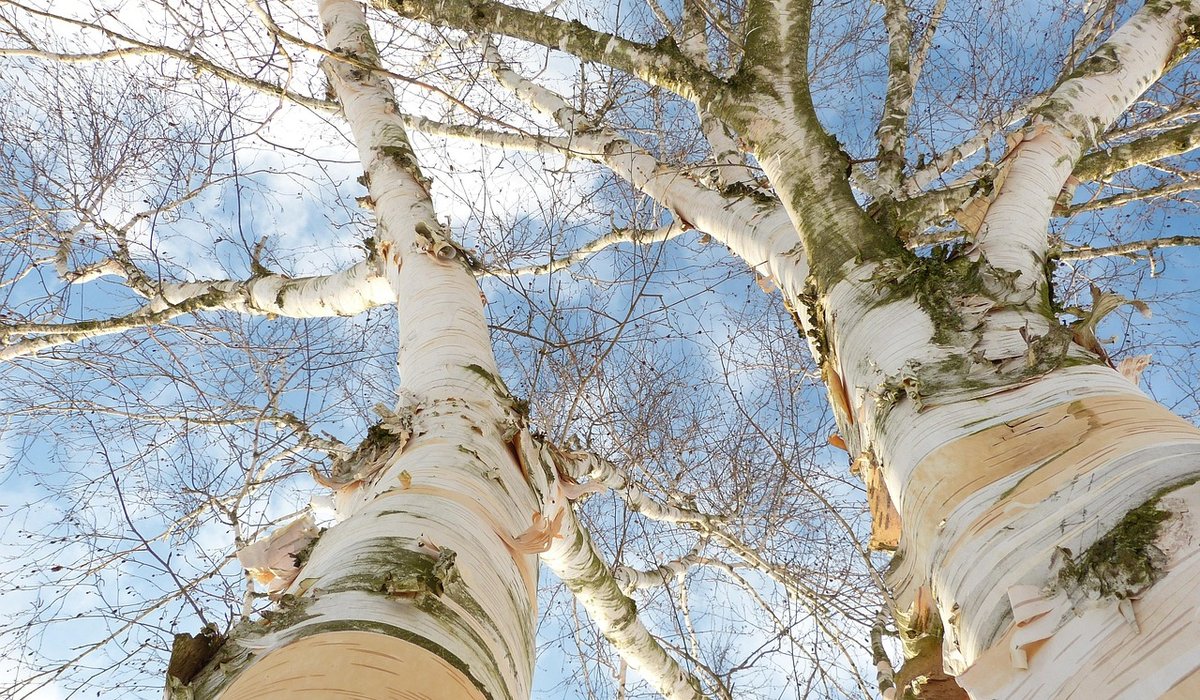
A woodland edge is one of the richest habitats in the British countryside. Where trees meet open ground, you get light and shade, shelter and exposure, and a layered structure that supports everything from solitary bees to song thrushes. You can recreate that same magic along your garden boundary, even in a modest plot. The secret is layering: tall trees or shrubs at the back, a dense middle storey, and a tapestry of wildflowers and grasses at the front. Get the layers right and your boundary will become a year-round lifeline for wildlife.
Why a woodland edge works so well
Think of a natural woodland edge as a series of stacked habitats. The canopy offers nesting sites and catkins for early insects. The shrub layer provides berries, hips, and dense cover for birds and small mammals. The ground layer supplies nectar, pollen, seeds, and leaf litter for invertebrates and hedgehogs. Because these layers sit side by side, creatures can move between them for food, shelter, and breeding without crossing open ground.
- Birds use the shrub layer for nesting and the berry crop for autumn and winter fuel.
- Insects rely on native flowers for nectar and on specific shrubs as larval food plants.
- Small mammals such as wood mice, bank voles, and shrews travel along the base of a hedge, safe from predators.
- Amphibians and reptiles benefit from log piles and undisturbed leaf litter at the edge.
Building your layers from the top down
Start by deciding how much height you can accommodate. If you have room for a small tree, consider native species such as field maple, wild cherry, or silver birch. In a smaller garden, coppiced hazel or a large shrub like guelder rose can act as your canopy. Next comes the middle storey: a mix of native shrubs planted about 1 to 1.5 metres apart so they knit together into a dense edge. Finally, the ground layer: wildflowers, ferns, and tussocky grasses that fill the gaps and spill forward into the garden.
Plant bare-root shrubs and trees between November and March, when the soil is moist and plants are dormant. Water them well in their first summer, and mulch with leaf mould or well-rotted compost, but keep mulch clear of stems to avoid rotting.
Native shrubs for every season
Choose a mixture of native shrubs that flower, fruit, and provide cover at different times. This variety is what keeps the edge useful from January to December.
- Hawthorn – frothy white blossom in May, deep red haws in autumn, and dense thorny cover for nesting birds.
- Blackthorn – early nectar for bees in March, sloes for birds and jam-makers in autumn.
- Dog rose – pale pink summer flowers and bright red hips that feed thrushes and waxwings.
- Guelder rose – creamy lace-cap flowers, translucent red berries, and superb autumn colour.
- Spindle – insignificant flowers but spectacular pink-and-orange autumn foliage and vivid berries.
- Wild privet – fragrant white flowers in summer and black berries for birds in winter.
Prune lightly after fruiting, never during the main nesting season between March and August. If you must trim, do it in late winter or early spring, and always leave some berries on the bush.
Wildflowers to stitch the edge together
Under your shrubs, create drifts of native wildflowers. Use plug plants or seed, and if your soil is fertile, sow yellow rattle first – it weakens vigorous grasses and gives wildflowers a chance. Plant in irregular groups rather than straight lines, and allow some bare soil for solitary bees to nest.
- Spring – primrose, native bluebell, wood anemone, and lesser celandine.
- Summer – foxglove, red campion, betony, and wild marjoram.
- Late summer and autumn – knapweed, teasel, and field scabious, whose seed heads stand well into winter.
- Shade-tolerant – wild garlic, dog violet, and wood sedge for the darkest spots.
Leave the flower stems standing over winter. They provide seeds for goldfinches and shelter for overwintering insects. Cut them back in late February or March, before new growth emerges.
Managing the edge through the year
A wildlife-friendly edge is not untidy – it is thoughtfully messy. A few simple seasonal tasks will keep it thriving without disturbing its residents.
- Spring – resist the urge to tidy. Check for nests before any pruning, and leave dead stems until late March.
- Summer – enjoy the flowers, but avoid pesticides and herbicides completely. Let some areas go to seed.
- Autumn – plant new bare-root shrubs, gather fallen leaves into a corner to make leaf mould, and build a log pile in shade.
- Winter – prune deciduous shrubs if needed, but leave evergreens and berry-bearing plants alone until spring. Top up bird feeders nearby, but keep them clean.
Add a small water feature – even a sunk washing-up bowl – and you will attract frogs, newts, and drinking birds. A compost heap or a bundle of hollow canes will do the same for solitary bees and overwintering ladybirds.
Small changes, big rewards
You do not need acres to create a woodland edge. A 3-metre-wide strip along a fence or wall is enough to make a difference. Start with three or four native shrubs, add a handful of wildflower plugs, and leave a patch of leaf litter undisturbed. Within a year you will notice more birdsong, more bees, and the quiet rustle of small mammals moving through the undergrowth. Your garden boundary becomes a living corridor, linking your plot to the wider landscape and giving British wildlife a place to feed, breed, and shelter all year round.

Joeby Ragpa
This template is so awesome. I didn’t expect so many features inside. E-commerce pages are very useful, you can launch your online store in few seconds. I will rate 5 stars.
ReplyAlexander Samokhin
This template is so awesome. I didn’t expect so many features inside. E-commerce pages are very useful, you can launch your online store in few seconds. I will rate 5 stars.
ReplyChris Root
This template is so awesome. I didn’t expect so many features inside. E-commerce pages are very useful, you can launch your online store in few seconds. I will rate 5 stars.
Reply