
Recognising Signs of Disease in British Trees

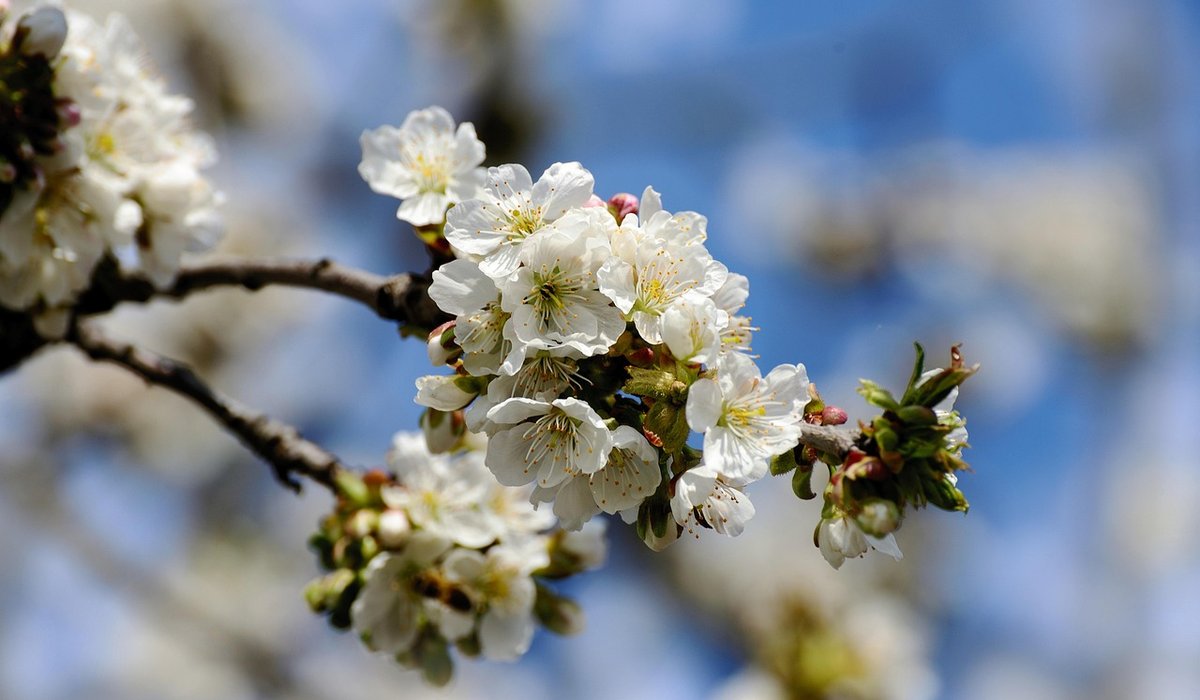
British woodlands are living, breathing communities, and like any community, they have their share of health problems. A walk through your local copse or a glance at the trees in your garden can sometimes reveal subtle clues that all is not well. Wilting leaves in midsummer, a weeping canker on a trunk, or the slow retreat of branches from the crown are all signals that a tree is under stress. Recognising these signs early gives you the best chance of protecting the tree, whether it stands alone in a park or forms part of a wider woodland.
Why Early Recognition Matters
Trees cannot run from infection, so they rely on their natural defences and, where necessary, our intervention. By the time a tree shows obvious symptoms, the problem may already be advanced. Fungi such as honey fungus (Armillaria) or Phytophthora species can spread through roots underground long before the canopy thins. Early recognition allows you to monitor the tree’s progress, remove competing stresses, and decide whether treatment is realistic. In a woodland setting, spotting disease early can also help you limit the spread to neighbouring trees, preserving the wider ecosystem of birds, insects, and mammals that depend on them.
Common Signs of Trouble
Most tree diseases announce themselves through a handful of visible changes. Keep a mental checklist when you’re out and about:
- Wilting or curling leaves that appear limp even when soil moisture is adequate. This can indicate vascular blockage or root damage.
- Premature leaf drop or autumn colour arriving in July and August.
- Cankers – sunken, dead patches of bark that may ooze dark fluid, often on horse chestnut or apple trees.
- Dieback – twigs and branches dying from the tips downwards, often accompanied by epicormic growth (shoots sprouting from the trunk).
- Fungal fruiting bodies such as brackets, crusts, or honey-coloured mushrooms at the base of the tree.
- Discoloured foliage – yellowing, browning, or black spots that are not explained by seasonal change.
None of these signs is a diagnosis on its own, but two or more together warrant a closer look.
Fungal Diseases to Watch For
Fungi cause the majority of serious tree diseases in Britain. Ash dieback (Hymenoscyphus fraxineus) is now widespread, causing diamond-shaped lesions on bark, blackened shoots, and crown dieback in ash trees. Dutch elm disease, spread by bark beetles, leads to sudden wilting and yellowing of elm leaves in summer. Honey fungus attacks stressed or wounded trees, often killing them by girdling the roots; look for white fungal sheets under the bark or honey-coloured mushrooms in autumn. Phytophthora root and collar rots thrive in wet conditions, causing bleeding cankers on the lower trunk and rapid decline. In oak, acute oak decline produces dark, weeping patches on the stem, while oak processionary moth (a pest) can defoliate trees, though it is not a disease itself.
Bacterial and Other Infections
Bacteria can be just as damaging, though they are less common than fungal problems. Bleeding canker on horse chestnut, caused by Pseudomonas syringae, produces rusty-red or black fluid weeping from bark cracks. Fireblight affects apple, pear, and related species, turning shoots black as if scorched and creating a shepherd’s crook at the tip. Wetwood is a bacterial condition that causes dark, water-soaked wood and a sour smell, often entering through pruning wounds. Viral diseases are rarer in woodland trees but can cause mottling or distortion of leaves. In all cases, stress from drought, waterlogging, or poor soil makes trees far more vulnerable.
Monitoring and Practical Treatment Options
Once you suspect disease, the first step is to monitor. Mark the tree, take clear photographs in good light, and note any changes over weeks or months. For a single garden tree, you can sometimes take action yourself. Remove and destroy infected leaves and fallen debris to reduce fungal spores. Prune out cankered branches well below the visible infection, sterilising your tools between cuts with methylated spirits. Improve soil drainage if waterlogging is a factor, and apply a balanced fertiliser in spring to boost vigour – but avoid high-nitrogen feeds, which encourage soft, disease-prone growth. For woodland trees, treatment may be limited to felling and removing badly affected individuals to protect the stand. Always check whether a tree is subject to a Tree Preservation Order or sits in a conservation area before doing any work.
When to Call in a Professional
Some situations are beyond DIY care. If a large tree has extensive dieback, a bleeding canker on the main trunk, or fungal brackets at the base, the risk of collapse is real. A qualified arborist can carry out a detailed inspection, sometimes using a resistograph or sonic tomography to assess internal decay. They can also advise on legal responsibilities and biosecurity. In a woodland, a forestry consultant may recommend a management plan that includes thinning to reduce competition and selecting disease-resistant species for replanting. Remember that a tree with a disease is not always a lost cause – with the right care, many can live for years, providing habitat and beauty.
Keeping Woodland Resilient
Prevention is always better than cure. Plant a diverse mix of native species suited to your soil and climate, as diversity slows the spread of any single pathogen. Avoid wounding trunks with strimmers or mowers, and mulch young trees to retain moisture without piling mulch against the bark. Water deeply during dry spells, especially for newly planted trees. Practice good hygiene when moving between woodlands – clean boots, tools, and bike tyres to avoid carrying spores or bacteria. By staying observant and acting early, you become part of the solution, helping Britain’s trees weather the challenges they face.

Joeby Ragpa
This template is so awesome. I didn’t expect so many features inside. E-commerce pages are very useful, you can launch your online store in few seconds. I will rate 5 stars.
ReplyAlexander Samokhin
This template is so awesome. I didn’t expect so many features inside. E-commerce pages are very useful, you can launch your online store in few seconds. I will rate 5 stars.
ReplyChris Root
This template is so awesome. I didn’t expect so many features inside. E-commerce pages are very useful, you can launch your online store in few seconds. I will rate 5 stars.
Reply