
When and How to Prune Silver Birch Trees Safely

Why Silver Birch Needs a Careful Approach
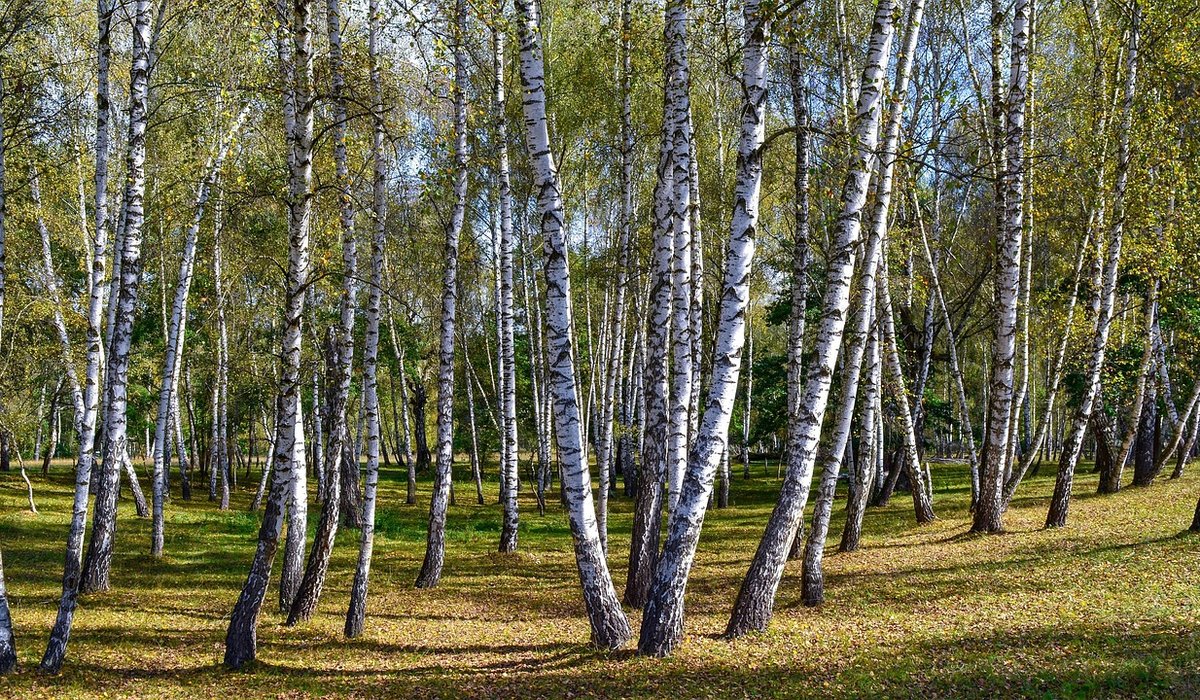
Silver birch (Betula pendula) and downy birch are among the most recognisable trees in British woodland. Their slender trunks, pale bark and airy canopies bring light and movement to gardens, heathland edges and woodland plots. But birch is not a tree you can prune like an apple or a hawthorn. It has a strong sap flow in late winter and early spring, and if you cut it then, it will bleed profusely. That bleeding is not usually fatal, but it weakens the tree, wastes energy and can attract pests and disease at a vulnerable moment.
Birch is a pioneer species. It grows fast, colonises open ground and has a light, wandering root system. It also has a habit of shedding small dead twigs and branches naturally, which is why you often see a litter of fine birch twigs beneath a mature tree. Pruning should therefore be minimal and purposeful: remove what is dead, damaged or dangerous, and leave the rest to the tree’s own architecture. The goal is a healthy, safe tree, not a manicured one.
The Best Time to Prune: Late Summer
In the UK, the ideal window for pruning birch is late July to early September, with August often the sweet spot. By then, the spring sap rush is over, the current season’s growth has slowed, and the tree is beginning to prepare for leaf fall. Wounds made at this time tend to callus over before winter, and there is less risk of the heavy bleeding that follows late-winter or early-spring cuts.
There are exceptions. If a branch has broken in a storm or is hanging dangerously over a path, it must come off immediately, whatever the month. For planned work, though, wait for late summer. Avoid pruning between February and April, when birch sap is rising strongly. Also avoid cutting in frosty weather, when the wood is brittle and the tree cannot seal its wounds efficiently.
One further consideration is wildlife. Birds nest between March and August in the UK, and birch canopies are popular nesting sites. Before you cut, check carefully for active nests. If you find one, delay the work until the young have fledged. Late August and early September are usually safe, but always look first.
Tools, Safety and Preparation
Clean, sharp tools make clean cuts. Blunt or dirty tools crush the wood and leave a ragged wound that is slow to heal. For birch, you will need:
- Bypass secateurs for twigs and small branches up to about 1.5 cm in diameter.
- Bypass loppers for branches up to roughly 4 cm.
- A pruning saw for anything thicker. Use a saw with fine, sharp teeth designed for green wood.
- Methylated spirits or soapy water and a cloth to clean blades between cuts, especially if you are working on more than one tree or suspect disease.
- Sturdy gloves, eye protection and non-slip footwear.
Avoid anvil secateurs for living birch wood; they crush the stem. If you need to reach high branches, use a pole saw from the ground or call in a qualified arborist. Do not use a chainsaw on a ladder. Birch wood is notoriously brittle when dead, and a fall from height is never worth the risk. Sterilise your tools before you start and between trees. A little preparation prevents a great deal of trouble.
How to Make the Cut Safely
The correct cut is made just outside the branch collar — the slight swelling where the branch meets the trunk. This collar contains the tree’s natural defence tissue and will seal the wound. Do not cut flush to the trunk, and do not leave a long stub. Both mistakes create dead wood that can rot back into the parent stem.
For branches thicker than about 2.5 cm, use the three-cut method:
- First cut: on the underside of the branch, about 30 cm from the trunk, saw upwards a third of the way through. This prevents the bark tearing when the branch falls.
- Second cut: on the top of the branch, a little further out from the first cut, saw down until the branch drops.
- Third cut: remove the remaining stub cleanly, just outside the branch collar.
Do not apply pruning paint or wound sealant. Birch seals its own wounds, and paint can trap moisture and encourage rot. If sap runs from a cut, do not panic. It usually stops within a few days. Simply keep the tree well watered in dry spells and let it recover.
What to Remove and What to Leave
Prune only what is necessary. On a mature birch, that normally means dead, diseased or damaged branches, plus any crossing or rubbing branches that could create wounds. If two branches rub, remove the weaker one. If a branch is growing back towards the trunk, remove it at its origin. For young trees, you can also remove narrow-angled forks that are likely to split later, but keep this to a minimum.
Leave healthy branches, even if they are low or slightly wayward. Birch has a naturally informal shape, and heavy pruning destroys it. Never top a birch. Topping creates a mass of weak regrowth and shortens the tree’s life. As a rule, remove no more than 20 to 25 per cent of the live canopy in a single year. If you are unsure, do less.
Diseased wood should be cut back to clean, healthy growth and disposed of away from other trees. Do not compost it. If you notice extensive dieback, fungal brackets or weeping cankers, consult a qualified arborist. Birch can suffer from dieback and honey fungus, and early advice can save a tree.
Aftercare and Common Mistakes
After pruning, give young birches a deep soak in dry weather and top up a mulch of well-rotted organic matter, keeping it clear of the trunk. Check tree ties and stakes, but avoid over-tightening. Mature birches rarely need extra water, but they appreciate undisturbed soil around their roots.
The most common mistakes are easy to avoid. Do not prune in late winter or spring. Do not over-prune in a single session. Do not use blunt tools. Do not cut flush or leave stubs. Do not prune in wet weather if you can help it, as damp conditions favour fungal spores. And do not be tempted to tidy a birch into a lollipop shape — it will never look right and the tree will suffer.
Pruned at the right time, with clean sharp tools and a light touch, a silver birch will reward you with decades of dappled shade, papery bark and that lovely whispering sound in the breeze. Take your time, choose your cuts carefully, and let the tree do the rest.

Joeby Ragpa
This template is so awesome. I didn’t expect so many features inside. E-commerce pages are very useful, you can launch your online store in few seconds. I will rate 5 stars.
ReplyAlexander Samokhin
This template is so awesome. I didn’t expect so many features inside. E-commerce pages are very useful, you can launch your online store in few seconds. I will rate 5 stars.
ReplyChris Root
This template is so awesome. I didn’t expect so many features inside. E-commerce pages are very useful, you can launch your online store in few seconds. I will rate 5 stars.
Reply