
A Seasonal Guide to Woodland Walks in Britain

Britain's broadleaf woods are never the same place twice. An oak wood in May is a different world from the same wood in November, and a walk that takes in all four seasons will teach you more about trees than any book. What follows is a practical guide to what to look for, month by month, and how to enjoy woodland without leaving a mark on it.
Spring: Bluebells, Birdsong and the Race to Leaf
Spring is a race. The ground flora must flower and set seed before the canopy closes overhead, which is why the best displays come between late March and mid-May. Wood anemone and lesser celandine open first, followed by wild garlic in damp rides and, in late April, the bluebell carpets of ancient woods. Look for dog's mercury and wood sorrel alongside them — both are indicators that the wood has been continuously wooded for centuries.
Listen as well as look. Chiffchaffs arrive first, then blackcaps; great spotted woodpeckers drum on dead branches and nuthatches whistle from the oaks. Walk early, before the day warms up, and stop often.
Spring care: bluebell bulbs are easily crushed, and a trampled leaf will not flower the following year — stay on paths through the bluebells. Keep dogs on leads from March to July, when ground-nesting birds and deer are at their most vulnerable.
Summer: Shade, Canopy and the Small Things
Once the leaves are out, the wood turns dim and green, and the life moves to the edges. Rides, glades and sunny verges are where you will find speckled woods dancing in dappled light, and where white admirals patrol the honeysuckle. High in the oak canopy, purple hairstreaks rarely come down. Turn over a few oak leaves and you will find spangle galls and knopper galls — the work of tiny wasps, and harmless to the tree.
Summer walking has its own practicalities. Ticks are active in long grass and bracken, so tuck trousers into socks and check yourself and your dog afterwards. Take water; shade can be deceptive on a hot day.
Summer care: never strip bark, carve initials or build rope swings in living trees. Bark is the tree's skin, and wounds let in decay. Leave no trace of fires — a scorched patch of woodland floor can take years to recover.
Autumn: Colour, Fungi and the Rut
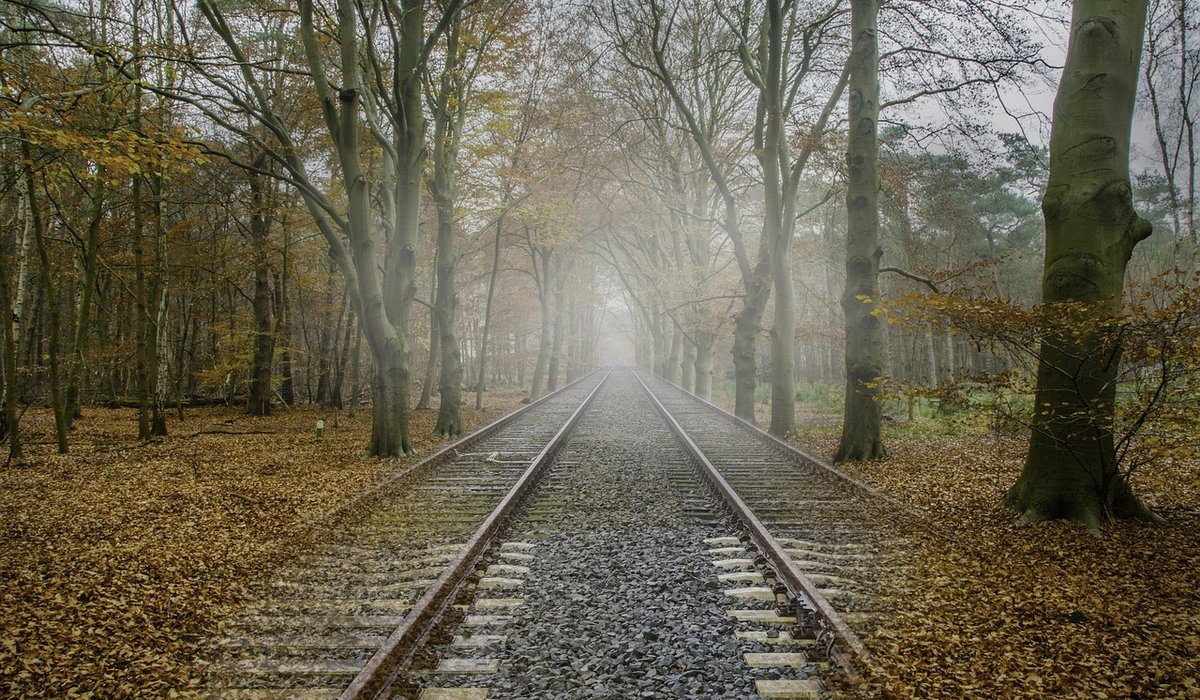
As days shorten, chlorophyll withdraws and the other pigments show through. Beech turns copper, field maple butter-yellow, and oak shifts to a soft russet. The display usually runs from late September into November, best after a few cold, bright nights.
Autumn is also the season for fungi. A week of rain followed by mild, still weather brings out fly agaric under birch, sulphur tuft on stumps, jelly ear on elder, and the beefsteak fungus on oak. Treat them as part of the wood's machinery: fungi break down leaf litter and deadwood, feed deer and slugs, and connect trees underground. Look, photograph, and leave them be — picking or kicking them destroys something you cannot easily replace.
Watch for nuts too. Hazel cobs, acorns and beech mast feed jays, mice and squirrels, and a heavy mast year will shape next spring's wildlife. In western woods, October brings the roar of red deer stags; keep a respectful distance and never approach a rutting stag.
Winter: Tracks, Buds and Bare Bones
Winter strips the wood back to its structure, which makes it the best time to learn your trees. Identify them by buds: ash has sooty-black, velvety terminal buds; oak clusters small brown ones at the twig tips; beech buds are long, slender and copper. Hazel catkins hang from January, and alder keeps its small woody cones on the twigs all winter.
After a frost or a night of rain, soft ground becomes a record book. Badger prints show a broad pad with five toes in a near-straight line; roe deer leave neat slots; foxes and grey squirrels add their own signatures, along with the chewed hazel shells of wood mice. Lichens and mosses come into their own on old oaks and ash — a wood's lichen community is a fair measure of how clean its air is.
Winter care: keep to paths on saturated or frozen ground. Walking off-path compacts soil and can damage shallow roots, and the damage lasts far longer than the footprints.
Walking Well: Etiquette and Tree Care Through the Year
- Stay on waymarked paths where they exist, especially through bluebells, seedbeds and wet ground.
- Keep dogs under control near livestock and on leads around ground-nesting birds.
- Take all litter home, including fruit peel and apple cores.
- Never light fires or disposable barbecues in woodland.
- Leave flowers, fungi, stones and deadwood where they are — deadwood is habitat, not rubbish.
- Learn to spot the signs of tree disease, such as ash dieback, and report concerns to the woodland owner or manager.
- Carry a map, wear boots with grip, and tell someone your route.
Walk the same wood in April, July, October and January, and you will build up a picture no guidebook can give you: which oaks mast heavily, where the badgers setts are, which ride holds the first bluebells. That slow familiarity is the real reward of woodland walking — and the surest reason to treat every wood you visit as though it will still be there in a hundred years.

Joeby Ragpa
This template is so awesome. I didn’t expect so many features inside. E-commerce pages are very useful, you can launch your online store in few seconds. I will rate 5 stars.
ReplyAlexander Samokhin
This template is so awesome. I didn’t expect so many features inside. E-commerce pages are very useful, you can launch your online store in few seconds. I will rate 5 stars.
ReplyChris Root
This template is so awesome. I didn’t expect so many features inside. E-commerce pages are very useful, you can launch your online store in few seconds. I will rate 5 stars.
Reply