
Designing a Woodland Border with Ferns and Bluebells

Start with the Canopy
An ancient woodland feels the way it does because of layers. Light filters through tall trees, shrubs fill the middle, and the ground is carpeted with plants that have adapted to shade. You can copy that structure in a border of almost any size, but the canopy comes first — and it should be native where possible.
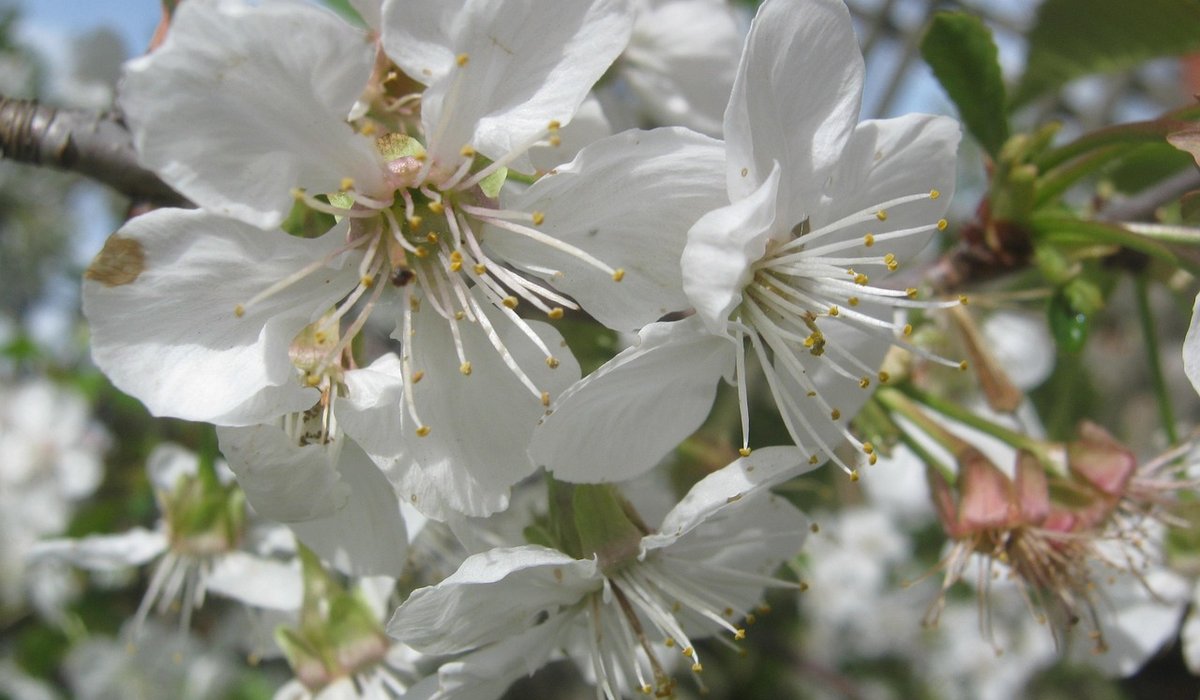
Choose small trees that will not outgrow a garden. Hazel, field maple, rowan, crab apple, wild cherry and hornbeam all suit British conditions and cast the kind of dappled shade that bluebells and ferns prefer. Plant bare-root stock between November and March, when the trees are dormant, and space them four to six metres apart. If you only have room for one tree, make it a hazel — it can be coppiced every few years to keep it manageable and will reward you with catkins in February.
Prepare a planting hole roughly twice the width of the rootball and no deeper than the soil mark on the trunk. Fork the base, backfill with the excavated soil, firm gently with your heel and water well. Stake only if the site is exposed, and check the ties each spring.
Bluebells Done Properly
Nothing says ancient woodland like a drift of native bluebells, Hyacinthoides non-scripta. The common mistake is buying Spanish bluebells, which are larger, paler and will hybridise with the native species until the true plant is lost. Look for native stock and check the label carefully.
Dry bulbs are cheap but slow and often sulk. Instead, buy bulbs "in the green" in March and April, while they still have leaves attached. Plant them immediately at the same depth they were growing, about 10cm deep and 15cm apart, and water them in. The leaves will die back naturally by June; leave them alone until they have yellowed completely, because that foliage is feeding the bulb for next spring.
Bluebells need a summer-dry, winter-light position under deciduous trees. They dislike waterlogged ground and will not flower well in deep, permanent shade. If you are planting beneath mature trees, add a generous layer of leafmould to mimic the woodland floor.
- Buy from a reputable British nursery — never lift bulbs from the wild, which is illegal.
- Plant in irregular drifts rather than neat rows for a natural look.
- Allow at least two years for a decent display and five for a carpet.
Ferns to Carry the Season
Bluebells are fleeting, so ferns do the heavy lifting for the rest of the year. They bring texture, structure and that damp, green, ferny hush that defines a woodland border.
For most gardens, the male fern (Dryopteris filix-mas) is hard to beat — tough, semi-evergreen and tolerant of dry shade once established. Lady fern (Athyrium filix-femina) is softer and more delicate, ideal for a moist corner. Soft shield fern (Polystichum setiferum) holds its fronds through winter, and the evergreen hart's tongue fern (Asplenium scolopendrium) looks superb in a shaded border edge or against stone.
Plant ferns in spring or autumn into soil enriched with leafmould or garden compost. Keep them well watered for their first two summers. Cut back the old, brown fronds of deciduous varieties in late February, just as the new croziers — the tight fiddleheads — begin to unfurl.
Putting the Layers Together
Once the trees are in, work outwards from the trunk. Keep a clear metre around each tree so mowers and strimmers never touch the bark; bark damage is the single most common cause of young tree decline.
Beyond that ring, plant ferns in loose groups of three or five, repeating the same species rather than mixing everything. Between and around them, tuck in bluebells along with snowdrops, wood anemone and wild garlic if you have space. These spring bulbs and ephemerals will flower before the canopy closes over, then retreat underground as the ferns take over.
A simple ratio works well: roughly one-third ferns, one-third bulbs and one-third bare ground or low cover such as wild strawberry or bugle. Bare patches are not a failure — leaf litter will fill them and self-sown seedlings will appear.
Care Through the Year
Woodland planting is low maintenance but not no maintenance. The key is timing.
- Spring: water new plantings in dry spells, keep weeds down around young ferns, and let bulb foliage die back naturally.
- Early summer: do not cut back bluebell leaves until at least six weeks after flowering, usually early July.
- Autumn: leave fallen leaves in place as mulch — they feed the soil, suppress weeds and support the fungi that woodland plants rely on. Rake excess off paths only.
- Winter: prune trees for shape and remove dead, diseased or crossing branches. Check stakes and ties.
Avoid digging between established bluebells; the bulbs sit surprisingly deep and are easily sliced. Feed with a mulch of leafmould each autumn rather than a high-nitrogen fertiliser, which encourages soft growth at the expense of flowers.
Be patient. An ancient woodland took centuries to assemble, but a well-planted border can capture its character within five or six years — and it will improve every spring after that.

Joeby Ragpa
This template is so awesome. I didn’t expect so many features inside. E-commerce pages are very useful, you can launch your online store in few seconds. I will rate 5 stars.
ReplyAlexander Samokhin
This template is so awesome. I didn’t expect so many features inside. E-commerce pages are very useful, you can launch your online store in few seconds. I will rate 5 stars.
ReplyChris Root
This template is so awesome. I didn’t expect so many features inside. E-commerce pages are very useful, you can launch your online store in few seconds. I will rate 5 stars.
Reply