
Coppicing Hazel for Sustainable Garden Timber

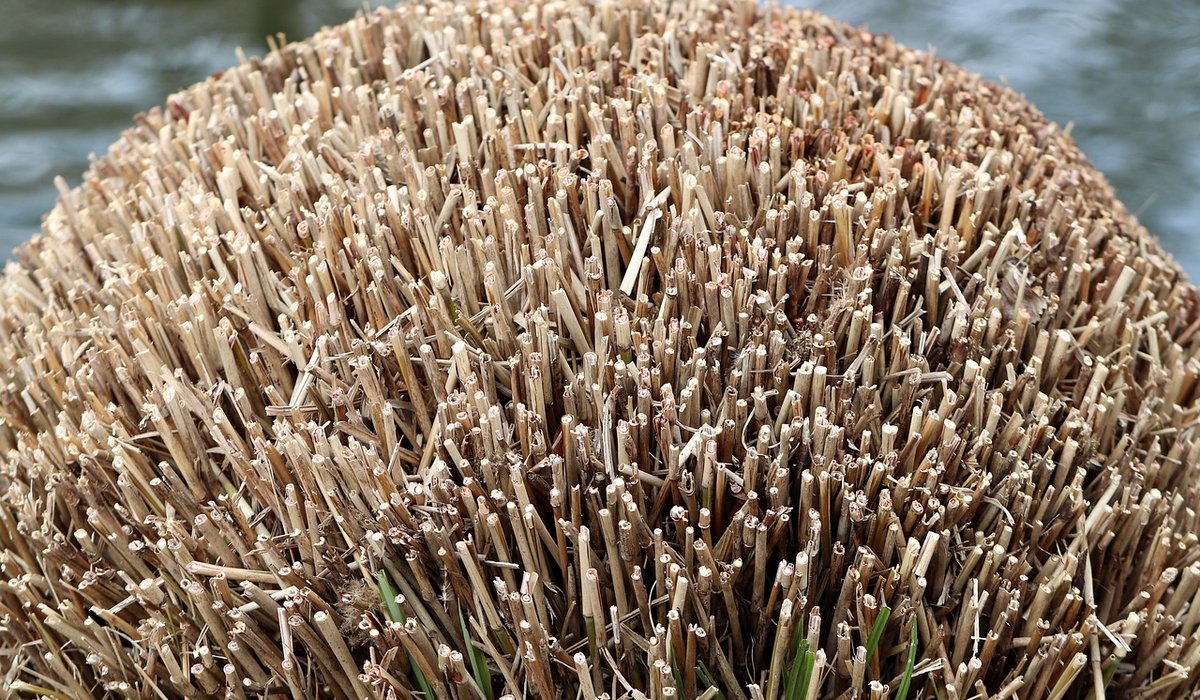
Hazel is one of the most generous trees in a British garden. Give it a hard cut every few years and it responds by throwing up a thicket of long, straight, flexible shoots that are useful for everything from bean poles to kindling. Left alone, it eventually stretches into a crowded, less productive tree. Coppicing is the old craft of cutting a tree back to near ground level on a regular cycle, and hazel is arguably the best candidate for it. Done well, the stool — the knuckled stump left behind — can keep producing for a century or more, far outliving an unmanaged tree.
Why Hazel Coppices So Willingly
Hazel has evolved to be cut. When a stem is severed, dormant buds near the base burst into growth, sending up vigorous new rods within a single season. Each cutting triggers this response, so the stool renews itself rather than declining with age. The result is a supply of clean, knot-free wood that grows fast and stays straight, because it is competing upward for light in a dense clump.
The benefits go beyond the material. A coppiced stool lives far longer than a neglected one, and the cycle creates a shifting patchwork of light and shade that suits woodland plants and insects.
When to Cut
Cut in the dormant season, roughly from late November to early March. The tree is not actively growing, sap is low, and the wood is at its most workable. There is also a practical reason: cutting outside the bird nesting season keeps you clear of the Wildlife and Countryside Act, which protects active nests. By mid-March, buds are swelling and nesting begins, so plan to finish before then.
Avoid cutting in hard frost. Frozen wood splinters rather than cuts, and brittle rods snap when you bend them. Dry, still days are ideal — you will be working with sharp tools in a confined space, so steady footing matters more than speed.
Tools and Technique
You do not need much. A sharp pruning saw for the thicker stems and a billhook or pair of loppers for the rest will see you through a domestic stool. Keep the saw sharp; a blunt blade makes you push, and pushing is how wrists get hurt.
- Cut low. Aim for 5–15 cm above ground. Cuts higher up leave stubs that die back and rot into the stool.
- Angle the cut slightly. A gentle slope sheds water away from the wound rather than letting it pool.
- Cut cleanly. One pass, no ragged edges, no tearing of bark down the stem.
- Work around the stool. Take rods in order rather than diving into the middle and trampling the new buds.
- Leave the stool intact. Never dig it out or split it. The knuckle is the engine of the whole operation.
If your hazel has not been cut before, the first time is the hardest. Cut all the stems in one go, even thick ones, and accept that regrowth may be slower on an old, shaded stool. Standing back and giving it full light afterwards speeds recovery enormously.
Sorting and Using the Cut
Sort as you go, before the rods dry and stiffen. Bend each stem gently to test its flexibility — this tells you what it is good for.
- Long, whippy rods for hurdles, woven panels, plant supports and archways.
- Straight, sturdy stems split into spars, or used whole as bean poles and pea sticks.
- Short, thicker lengths cut into pegs, tool handles and garden stakes.
- Twiggy tops and offcuts bundled as kindling, or shredded for mulch and paths.
Bundle your rods by size and stand them somewhere dry and airy. Hazel dries quickly and works best within a few weeks of cutting, while it still has some give. For hurdles, traditional practice is to weave green or half-dry spars around uprights, which tighten as they dry.
Rotation and Aftercare
A domestic hazel is usually cut on a seven- to ten-year cycle for full-size rods, or every three to four years if you want pea sticks and kindling. The longer the rotation, the thicker the wood. If you have space, cut a section each year so you always have material in different stages of growth.
After cutting, give the stool room. Clear brambles and competing growth, and mulch lightly around — but not touching — the base. If deer or rabbits are about, protect new shoots with a temporary fence or spiral guards; regrowth is tender and highly palatable. Water in a dry spring.
Thin the regrowth in the second summer if shoots are crowded, leaving the strongest six to ten per stool to grow on. This is the quiet work that makes the next harvest straighter and easier to handle.
Coppicing is one of those rare garden jobs that gives twice: once when you use the wood, and again when you watch the stool push up a fresh crop of shoots the following spring. A hazel treated this way is not being worn down. It is being kept young.

Joeby Ragpa
This template is so awesome. I didn’t expect so many features inside. E-commerce pages are very useful, you can launch your online store in few seconds. I will rate 5 stars.
ReplyAlexander Samokhin
This template is so awesome. I didn’t expect so many features inside. E-commerce pages are very useful, you can launch your online store in few seconds. I will rate 5 stars.
ReplyChris Root
This template is so awesome. I didn’t expect so many features inside. E-commerce pages are very useful, you can launch your online store in few seconds. I will rate 5 stars.
Reply