
Slot Machines: The Real Math Behind the Spin

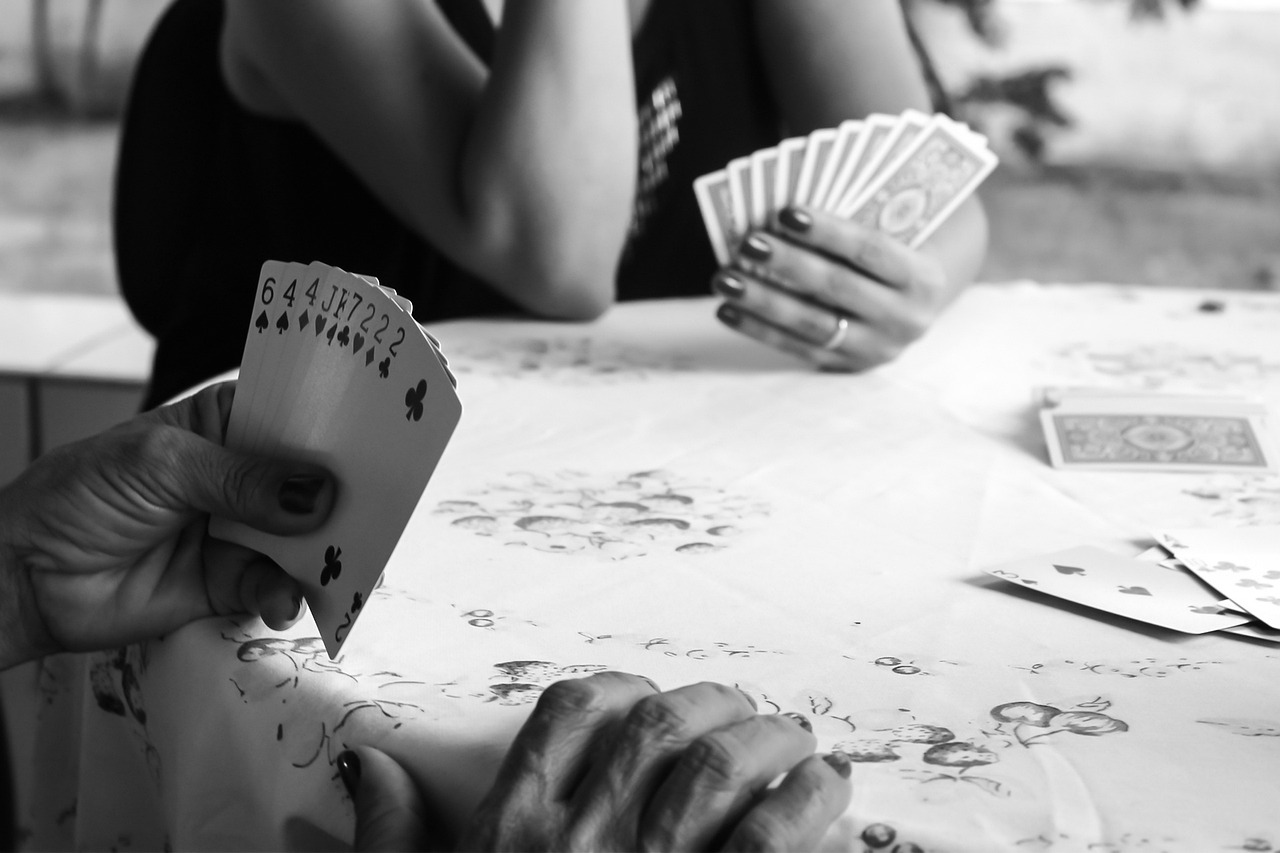
You press the button. The reels blur, symbols flash, and for a split second you're certain this is the one. Then three cherries land, and you're left wondering if the machine is due. It's not. It never is. And that single misconception costs players more money than any other in the casino. Understanding how slots actually work isn't just academic—it's the difference between playing for entertainment and playing like a mark.
RTP Isn't a Promise, It's a Long-Term Average
Every slot you'll ever encounter has a Return to Player percentage, or RTP. This number, usually between 92% and 97%, tells you what the machine is designed to pay back over millions of spins. A 96% RTP means that if you fed the machine $100,000 over an infinite timeline, you'd get roughly $96,000 back. The house keeps $4,000.
Here's the catch: that average is meaningless in the short run. You could hit a jackpot on your third spin or lose 200 spins in a row. The RTP is calculated across an enormous number of plays, not your session. Casinos love it when players confuse this with a guarantee. It's not.
What's more useful is volatility, or variance. A high-volatility slot like many of the Megaways titles pays out less often but can produce massive wins. A low-volatility game like most classic three-reel slots pays small amounts frequently. Neither is better—they suit different bankrolls and temperaments. If you have $50 and want to play for two hours, a high-volatility machine will likely eat you alive. A low-volatility alternative gives you more entertainment per dollar.
The Myth of the "Due" Machine
Random number generators (RNGs) don't remember your last spin. Each outcome is independent. If a machine has a 1 in 10,000 chance of hitting the top jackpot on any given spin, that probability stays exactly the same on spin 1 and spin 10,000. There's no cosmic scorekeeper balancing the books. This is perhaps the most well-documented fact in gaming, yet players still chase losses as if the machine owes them. It doesn't.
Skill Games Actually Exist—And They're Not Slots
Poker is the one game in the casino where you can genuinely have an edge. Not because the cards are random—they are—but because you're playing against other people, not the house. A skilled poker player can consistently win over time by exploiting weaker opponents. The house takes a rake, usually 5% to 10% of each pot, but that's a cost of doing business, not a built-in mathematical disadvantage like in slots or roulette.
Blackjack sits in a gray zone. With perfect basic strategy, the house edge can drop to around 0.5%. Count cards effectively, and you can flip that edge in your favor. But casinos watch for counters, and the game has evolved—six-deck shoes, continuous shufflers, and 6:5 payouts on blackjack have made it much harder. Still, if you're going to play a table game, blackjack with basic strategy is your best shot.
Sports betting is another skill-adjacent arena. If you know football better than the oddsmaker, you can find value. But the margins for error are slim, and discipline matters more than knowledge. Most bettors lose because they chase losses, bet on their favorite teams, or parlay everything for a lottery ticket. The sharps treat betting like a business: small edges, high volume, strict bankroll management. Readers looking for specifics may like สล็อตเว็บตรง.
Bankroll Management: The Only Trick That Works
No system can beat a negative-expectation game. Martingale, Fibonacci, D'Alembert—they all fail eventually because they assume infinite money and no table limits. The only thing you control is how long you play and how much you're willing to lose. Set a session budget before you start, and stick to it. If you're playing slots, divide your bankroll into at least 100 bets. A $200 bankroll on a $2 spin gives you 100 chances, which is a reasonable session. On a $10 spin, that's only 20 chances—too thin.
- Set loss limits. Walk away when you hit them. No exceptions.
- Set win limits. If you're up 50%, cash out and come back another day.
- Never chase losses. The machine doesn't know you're down, and it won't bail you out.
- Treat comps as icing, not cake. Free drinks and hotel rooms are nice, but they're not worth losing your rent money.
Online vs. Land-Based: What Actually Changes
Online casinos generally offer better RTPs than physical machines. A land-based slot might have an RTP of 88% to 92%, while the online version of the same game often sits at 95% or 96%. Why? Lower overhead. No building, no staff, no free drinks. But online play is faster—you can spin every three seconds instead of every eight. That speed means your bankroll can vanish twice as fast if you're not careful.
Live dealer games have closed the experience gap significantly. You get real cards, real dealers, and real-time action, but with the convenience of playing from your couch. The odds are usually the same as land-based, though some live blackjack tables have slightly worse rules. Check the fine print before you sit down.
One more thing: legal jurisdictions matter. Not all online casinos are regulated equally. A license from the UK Gambling Commission or Malta Gaming Authority means something. A license from a tiny island nation with no enforcement means you're on your own if they refuse to pay. Always verify the licensing before depositing.
Why Most Players Lose (And How to Be the Exception)
The house edge is relentless. It doesn't need to cheat, and it doesn't need to rig the machines. It just needs you to keep playing. The longer you play, the closer your results converge to the mathematical expectation. That's why a player who plays for 10 minutes has a real shot at walking away up. A player who plays for 10 hours almost certainly won't.
If you want to be the exception, do three things:
- Treat gambling as entertainment, not income. The moment you need the money, you've already lost.
- Learn the rules and strategy for skill games. Don't play blackjack without basic strategy. Don't play poker without understanding position and pot odds.
- Know when to stop. The best players in the world walk away. The worst ones keep pressing the button.
The casino doesn't beat you with magic. It beats you with math, time, and psychology. Understand those three forces, and you can at least lose on your own terms—or, better yet, walk away with a story instead of a regret.

Joeby Ragpa
This template is so awesome. I didn’t expect so many features inside. E-commerce pages are very useful, you can launch your online store in few seconds. I will rate 5 stars.
ReplyAlexander Samokhin
This template is so awesome. I didn’t expect so many features inside. E-commerce pages are very useful, you can launch your online store in few seconds. I will rate 5 stars.
ReplyChris Root
This template is so awesome. I didn’t expect so many features inside. E-commerce pages are very useful, you can launch your online store in few seconds. I will rate 5 stars.
Reply